GlowGo
Venture · Unit Economics80% of students are still on campus past 11pm with nowhere to buy a tampon.
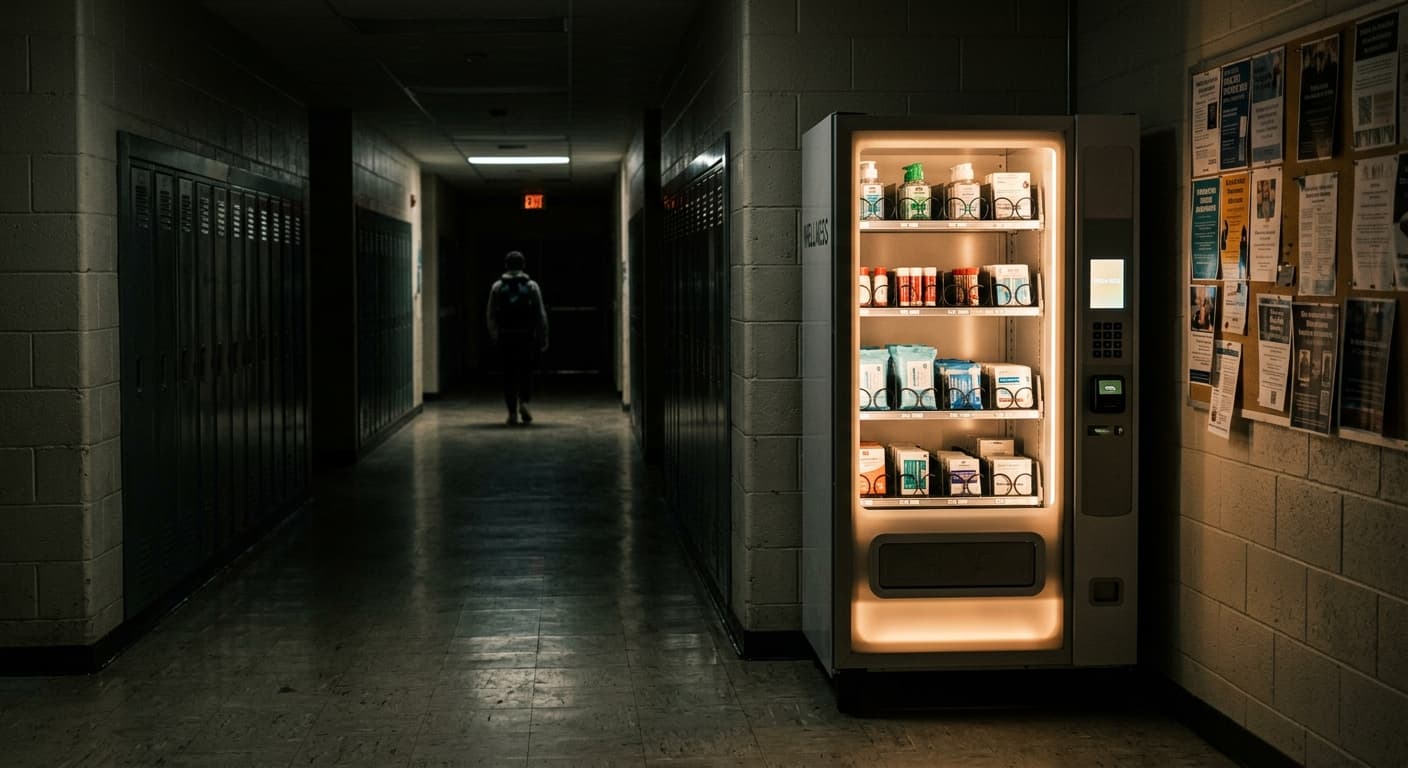
80%
of surveyed students stayed on main campus past 11pm with no hygiene access
key findings
80%
surveyed students on campus past 11pm
62%
expressed strong purchase interest
$10K
total startup capital required
7.2×
revenue growth projected by year 3
why i chose this
A campus venture concept, wellness and hygiene vending at UBC, modelled on an existing program at the University of Michigan. This one started from an observation rather than a brief, which is why I keep it in the portfolio.
the challenge
UBC has 60,000+ students and roughly 60% commute. Our survey found 80% had stayed on main campus past 11pm, about half for club meetings and events, about 40% to study, with no access to basic hygiene and wellness products at the hours they're actually there.
research
Ran a primary survey to test both interest and price sensitivity, benchmarked against an existing wellness vending program at the University of Michigan.
what i noticed
the strategy
Map a four-tier partnership model, brand, campus, wellness, and local vendors, and build the venture around lean, scalable unit economics instead of a one-off pilot.
execution
success measures
reflection
This one taught me that not every good idea needs a bigger market. GlowGo didn't need more students, it needed the hours the existing students were already there.